Smart Ways to Research TRT Replacement Therapy Near Me
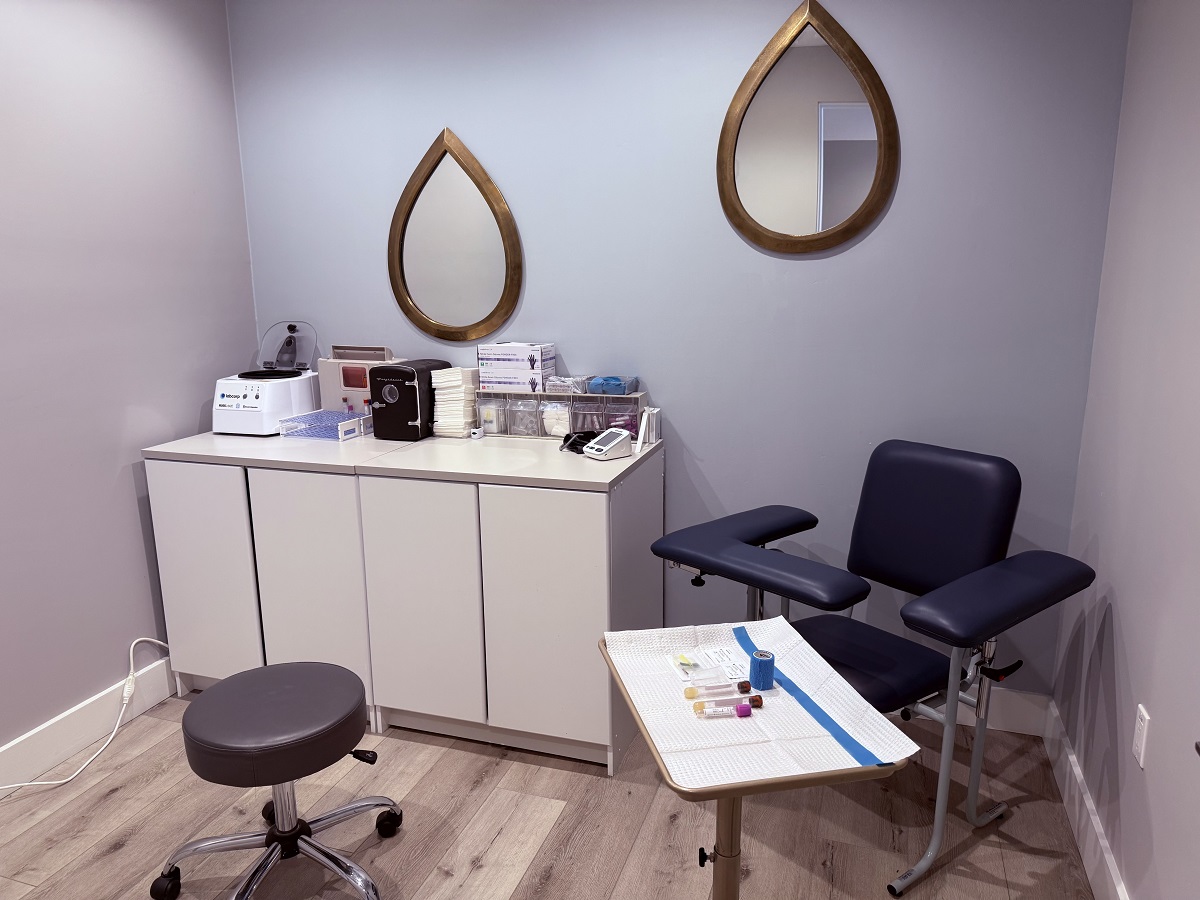
Looking for treatment for low testosterone can feel oddly complicated. On the surface, it seems like a local healthcare search. You type a phrase like Trt replacement therapy near me into a search bar, a dozen clinics appear, and each one promises some version of renewed energy, better focus, improved body composition, stronger libido, and expert care. The problem is that TRT is not a haircut, a gym membership, or even a routine urgent care visit. It is an ongoing medical treatment with real benefits, real risks, and a lot of variation in how clinics evaluate and manage patients.
That variation matters more than most people realize.
A good TRT provider will assess symptoms carefully, confirm low testosterone with appropriate lab work, look for contributing causes, discuss fertility concerns, monitor side effects, and adjust treatment based on your response over time. A weak provider may skip much of that, push everyone toward the same protocol, and turn a medical decision into a subscription sale. If you are trying to choose wisely, the goal is not to find the nearest option. The goal is to find the nearest option that practices careful medicine.
Start with the symptoms, not the marketing
Many men begin the search after months or years of not feeling like themselves. Fatigue that sleep does not fix. Less drive at work. Slower recovery from exercise. Reduced libido. Mood changes that are hard to name but easy to feel. Sometimes the issue is genuinely low testosterone. Sometimes it is poor sleep, untreated sleep apnea, chronic stress, medication effects, obesity, thyroid dysfunction, depression, overtraining, or heavy alcohol use. Sometimes it is a mix.
This is why strong clinics do not jump straight from symptoms to a prescription. They slow down enough to ask whether testosterone is actually the main issue.
A clinic that treats TRT seriously will want a full picture. That often includes when symptoms started, whether they are getting worse, whether you still wake with morning erections, how you sleep, what your training and diet look like, whether you want children, and what medications you take. If the first interaction is mostly about monthly plans, fast approvals, or “optimization” without context, that tells you something.
I have seen people get seduced by the speed of the process. Same-day consult, quick lab order, treatment by the end of the week. Fast can be convenient, but speed alone is not quality. In hormone care, too much speed often means someone is skipping the thoughtful part.
Learn what a solid evaluation usually includes
Before you compare clinics, it helps to know what a proper starting workup tends to look like. Specific protocols vary, and individual cases matter, but careful TRT evaluation is broader than a single testosterone result.
Most reputable clinicians want at least two early morning testosterone measurements on separate days if low testosterone is suspected. Testosterone levels fluctuate, and a one-off test can mislead. Morning testing matters because levels are often highest then, especially in younger men. They may also look at free testosterone in the right context, sex hormone-binding globulin, luteinizing hormone, follicle-stimulating hormone, estradiol, complete blood count, comprehensive metabolic panel, and prostate-related screening when appropriate for age and risk profile. Some clinicians will evaluate thyroid markers or prolactin if the clinical picture suggests it.
That may sound like a lot, but it serves a purpose. It helps distinguish primary testicular issues from secondary causes involving the pituitary or hypothalamus. It can catch elevated hematocrit before treatment starts. It can uncover factors that change the treatment plan entirely.
If a clinic advertises TRT but seems vague about labs, or if they offer treatment after a minimal questionnaire and one low number, be careful. Hormones are not a guessing game.
Local does matter, but not in the way most people think
Convenience counts. You may need periodic blood work, dose adjustments, and follow-up visits, especially in the first year. A clinic that is an hour and a half away can become a burden fast. That said, the closest provider is not automatically the best one. In many cities, the strongest option is a urology or endocrinology practice that does not market aggressively at all. Their website may look plain, but their clinical standards are often far stronger than a polished hormone spa.
When researching nearby options, look beyond map rankings and paid ads. Those usually reward marketing competence, not medical quality. Search by specialty as well as by treatment. Urologists, endocrinologists, and primary care physicians with real experience in men’s health can all be excellent, though their approaches differ. Urology practices may be particularly practical on issues like sexual function, fertility concerns, and long-term monitoring. Endocrinologists may dig deeper into underlying hormonal causes. Some primary care doctors handle TRT very well, particularly if they have a strong internal medicine foundation and take follow-up seriously.
The right local choice often depends on your goals. If you are forty-five, done having children, and have classic low T symptoms with repeatedly low labs, several practice types may be suitable. If you are thirty-two and want fertility preserved, the pool narrows. If you have untreated sleep apnea, a history of blood clotting issues, or complex medical conditions, you want a clinician who is especially thoughtful.
Read clinic websites like a skeptic
Most clinic websites sound excellent. That is the point. What matters is what they reveal between the lines.
A trustworthy TRT clinic usually explains evaluation, follow-up, and monitoring with some specificity. It talks about candidacy rather than implying everybody qualifies. It mentions lab review. It acknowledges potential side effects and the need for dose adjustment. It may discuss forms of therapy such as injections, gels, or pellets without pretending one option is best for everyone.
A site that raises concern tends to lean heavily on emotion and identity. Promises about becoming alpha again. Big claims about reversing aging. Overconfident statements about guaranteed energy, guaranteed muscle gain, or dramatic sexual improvement. Any serious medical practice knows treatment response is variable. Some men feel significantly better. Some improve modestly. Some discover testosterone was not the missing piece.
Pricing language can also be revealing. There is nothing wrong with transparent fees. In fact, clear pricing is helpful. But if the website feels more like a membership funnel than a medical practice, pause. You want to understand what the fee actually includes. Does it cover physician visits, follow-up labs, medication, injection supplies, and symptom review, or only part of that? Hidden costs are common in this space.
Reviews help, but only if you read them carefully
Online reviews are useful when read with discipline. A five-star rating by itself does not mean much. Clinics can accumulate glowing feedback for friendliness, décor, and quick appointments while still delivering mediocre care. On the other hand, excellent medical practices sometimes have average-looking ratings because they run on schedule realism rather than concierge vibes.
The most useful reviews mention process and judgment. Did the clinician explain lab results clearly? Did they avoid pressure? Were follow-up recommendations specific? Did the practice respond appropriately when side effects or dosing issues came up? These details matter more than comments about the waiting room coffee.
It also helps to notice patterns. If many reviewers say the clinic rushed them, pushed expensive add-ons, or made communication difficult after enrollment, believe the pattern. If multiple patients say the provider took time to discuss fertility, sleep, weight, and alternatives before prescribing, that is a better sign.
Anecdotes are not evidence, but they can expose the culture of a practice. And culture matters in ongoing hormone management.
Telemedicine can be excellent, but ask how it handles the basics
Some men prefer telemedicine, and in many cases that works well. The convenience is obvious, especially for people with demanding jobs, travel schedules, or limited local options. There are telehealth practices that provide careful TRT management and communicate clearly. There are also telehealth operations that function like fulfillment centers with a clinician layer attached.
If you are considering a remote provider, figure out how labs are ordered, how often follow-up happens, what happens when your hematocrit rises, who answers clinical questions, and whether medication decisions are individualized or protocol-driven. Good telemedicine care still needs a structure. It should not feel like a one-time approval leading to recurring shipments forever.
There is also a practical issue many patients overlook. If a complication or an unrelated health concern emerges, having a local physician who knows your case can be invaluable. Telemedicine and local care can complement each other, but if you choose fully remote TRT, think about who will help coordinate the rest.
Questions worth asking before you commit
The first conversation with a clinic tells you a lot. You do Trt replacement therapy near me not need to interrogate anyone, but a few focused questions can reveal whether you are dealing with a real medical practice or a sales operation.
- How do you confirm low testosterone before starting treatment?
- What baseline labs do you usually order, and why?
- How often do you recheck labs after treatment begins?
- How do you handle fertility concerns or patients who may want children later?
- What side effects do you monitor most closely, and what changes would make you adjust or pause treatment?
The best answers are calm, specific, and grounded. You want to hear about repeat morning labs, individualized interpretation, blood count monitoring, and a willingness to discuss alternatives. You do not want to hear vague reassurance, canned slogans, or pressure to sign up before you have seen your numbers.
Be careful with clinics that oversell symptom relief
TRT can help the right patient. It can improve libido, energy, mood, strength, and body composition, especially when low testosterone is clearly documented and symptoms match. But it is not magic, and it is not equally effective for every complaint.
One of the more common disappointments happens when someone expects testosterone to erase the effects of poor sleep, chronic work stress, excess body fat, and inconsistent training all at once. It may help, but it rarely overpowers the basics. Good clinicians set expectations honestly. They explain that TRT is often one piece of a larger plan involving sleep quality, resistance training, nutrition, alcohol intake, and weight management.
That honesty Trt replacement therapy near me is a feature, not a flaw.
I have seen patients feel frustrated because a cautious doctor did not promise dramatic change in two weeks. Yet the same cautious doctor often provides the better long-term outcome because he or she treats the person rather than the sales narrative. Improvement can be meaningful without being cinematic.
Understand the common treatment options before choosing a clinic
You do not need to become an endocrinologist to evaluate TRT care, but it helps to understand the main delivery methods. Injections are common because they are effective, widely available, and often relatively affordable. Gels are convenient for some men but require consistency and care to avoid transfer to others through skin contact. Pellets appeal to people who want fewer dosing events, though not every clinician likes them because dose changes are less flexible.
A clinic that insists one method is the only serious choice is often telling you more about its business model than about your medical needs. The better question is how the provider decides which method fits your symptoms, lab profile, lifestyle, cost concerns, and tolerance for monitoring.
Even basic issues matter. If you travel constantly, a certain injection schedule may be inconvenient. If you have young children at home, gel transfer risk is worth discussing. If you are anxious about self-injection, a practice that can teach technique well may matter more than a slightly lower price elsewhere.
Price matters, but cheap care can get expensive
TRT is a long-term commitment for many patients. Cost deserves attention. Between consultations, lab work, medication, and supplies, prices vary widely by region, insurance coverage, and practice model. Cash-pay men’s health clinics can be straightforward, but some charge premium rates for standardized care. Traditional medical practices may bill insurance for visits and labs, which can reduce costs, though medication coverage varies.
The trap is choosing only on the monthly number. A clinic with a low advertised fee may not include follow-up testing, physician access, or treatment of side effects. If you need separate lab panels, repeated visits, or dose corrections because of poor management, the cheap option stops being cheap.
A more useful comparison looks at total yearly cost and what it buys you. Are you paying for supervision or merely for access to a prescription pipeline? There is a difference.
Red flags that should make you slow down
Not every concern means you should run, but some patterns deserve caution.
- Treatment is offered after a very limited assessment or a single borderline lab result.
- The clinic minimizes fertility issues or never asks whether you want children.
- Staff focus more on subscriptions, add-ons, or same-day sign-up than on medical history.
- Follow-up lab timing is vague, infrequent, or treated as optional.
- Marketing promises dramatic results with little mention of risk, uncertainty, or monitoring.
Most experienced patients learn this lesson eventually: the best clinics are often less flashy than the most visible ones. They are usually more measured in what they promise, more careful in whom they treat, and more specific about follow-up.
Fertility is the issue too many men hear about too late
This point deserves its own section because it causes real regret. TRT can suppress sperm production, sometimes significantly. Men who still want children, even if not immediately, need that conversation before starting treatment, not after several months on it.
A strong provider will ask directly about family plans. Depending on the situation, alternatives or adjunctive strategies may be considered. The right approach varies with age, current fertility status, timeline, and underlying cause of low testosterone. What matters here is not memorizing every possible medication pathway. What matters is making sure the clinic recognizes fertility as a first-order issue rather than an afterthought.
If a provider brushes this off with casual reassurance, that is a warning sign. Serious clinicians know this conversation can change the whole treatment plan.
Monitoring is where good clinics separate themselves
The first visit gets attention, but the real quality signal is what happens after treatment starts. Early symptom changes can be encouraging, but objective follow-up matters just as much. Testosterone levels that climb too high are not automatically better. Estradiol interpretation requires judgment, not panic. Hematocrit needs watching because TRT can increase red blood cell production in some patients. Blood pressure, sleep apnea symptoms, prostate-related issues when relevant, and overall well-being all deserve periodic review.
This is also where rigid protocols fail. Some patients do well quickly and need only small refinements. Others need dose or timing adjustments to avoid peaks and troughs. Some discover that the treatment improves one symptom but not another. Good care accommodates that. Cookie-cutter care tends to flatten everything into the same script.
When comparing clinics, ask what follow-up usually looks like in the first six to twelve months. Specificity is reassuring. “We’ll monitor you closely” is not enough. “We recheck labs at a defined interval, review symptoms, assess blood counts, and adjust only when the full picture supports it” is better.
The most trustworthy clinicians are often comfortable saying no
This may be the clearest sign of all. A good TRT provider is willing to tell a patient that testosterone is not indicated, not yet appropriate, or not the first thing to fix. That can be disappointing in the moment, especially if you have been feeling terrible and hoped for a straightforward answer. But restraint is part of competent medicine.
Sometimes the smartest next move is a sleep study. Sometimes it is weight reduction. Sometimes it is reevaluating antidepressants, opioids, or other medications that can affect hormone levels and sexual function. Sometimes it is simply repeating labs under better conditions because the first result was not convincing.
The clinic that earns your trust should be the one that shows judgment, not just availability. Nearby matters. Friendly matters. Efficient matters. But none of those qualities substitute for clinical discipline.
If you approach the search with that in mind, you will ask better questions, read websites more critically, and recognize the difference between treatment marketing and actual care. That is the smartest way to research TRT, and it is usually the path that leads to better outcomes.
SDBody La Jolla
Address: 7710 Fay Ave, La Jolla, CA 92037
Phone number: +18584012383
FAQ About Trt replacement therapy near me
Will insurance pay for TRT therapy in La Jolla, CA?
Coverage varies by plan and may depend on the diagnosis, blood test results, medication and prior authorization. Ask your insurer which visits, lab tests and formulations it covers and what you would pay out of pocket.
What is the most affordable TRT clinic in La Jolla?
Compare written estimates for the initial visit, lab work, medication and follow-up monitoring. Your total cost will depend on your insurance and the care your clinician recommends.
Is TRT replacement good for you in La Jolla, CA?
Testosterone replacement may help some people with symptoms and consistently low testosterone confirmed by blood tests. A clinician can review the potential benefits, risks, fertility plans and monitoring needs before recommending treatment.